Coin Collecting at the Safir House
Western Satraps 1st Century - 2nd Centry India -R-Drachm
|
|
Coin Collecting at the Safir House
|
|
The Western Satraps Dynasties rules the north western providences of India from 35 to 405 AD strateling a key historical moment of cultural development of the region and know to Western societies of the time as Indo-Scythians related to the Kushans, further north, whom they are likely related. Sartaps linguistically related to the Persian word Ksatrapavan meaning Governor.
They were responsible for fixing the yearly date for the Indian calender. The court language was Sanskrit and Greeks were employed to transcribe Greek works into Sanskrit. The exact dynasty which created this coin is a bit of a puzzle to me but it might be similar to this coin from Rudradaman I dated about 130 BCE.
Further reading and research is possible. Here are some links

http://en.wikipedia.org/wiki/Western_Satraps
http://www.coin-newbies.com/articles/drachmas.pdf
http://www.forumancientcoins.com/his...ns/in/n301.htm
http://books.google.com/books?id=b9a...um=5&ct=result
http://data.numismatics.org/cgi-bin/...any&kw=satraps
http://www.nationmaster.com/encyclopedia/Rudrasena-I
http://books.google.com/books?id=O-d...um=9&ct=result
http://www.summum.us/top/gallery/mai...g2_itemId=4208
http://www.summum.us/top/gallery/mai...068be20ca1accf
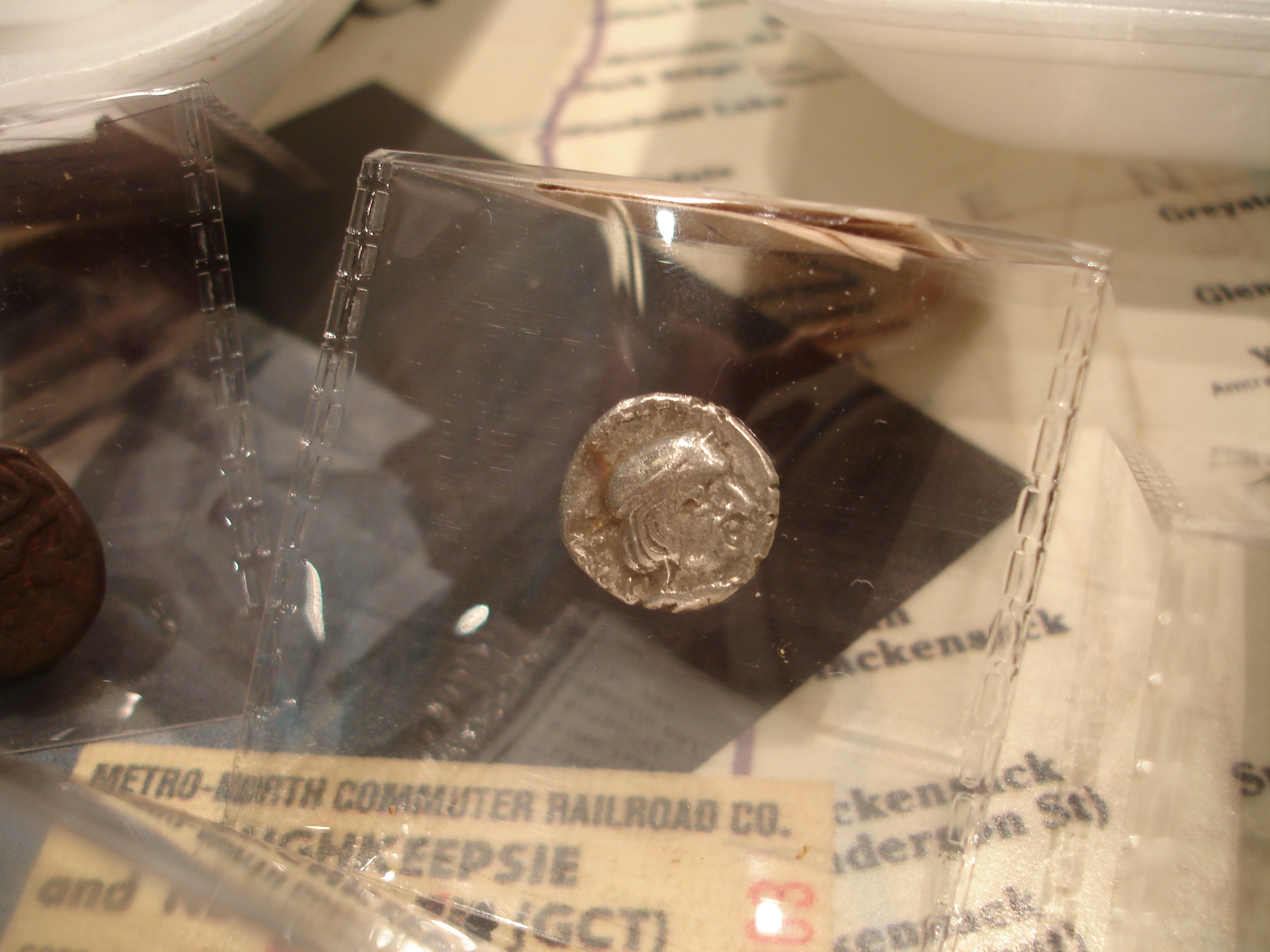
Obverse of the Western Satrap 1-2nd Century CE
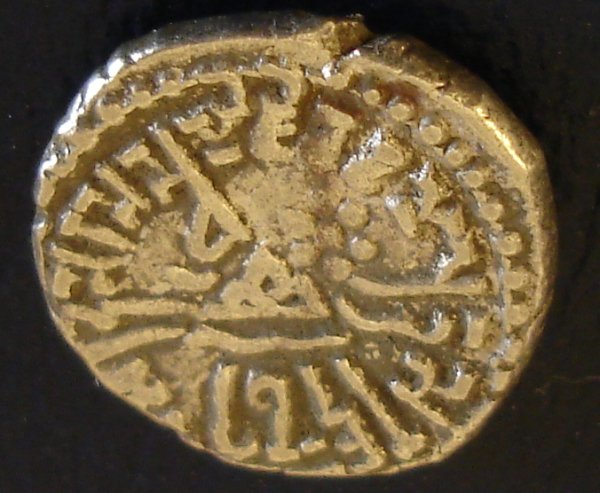
Western Satrap Drachm Reverse
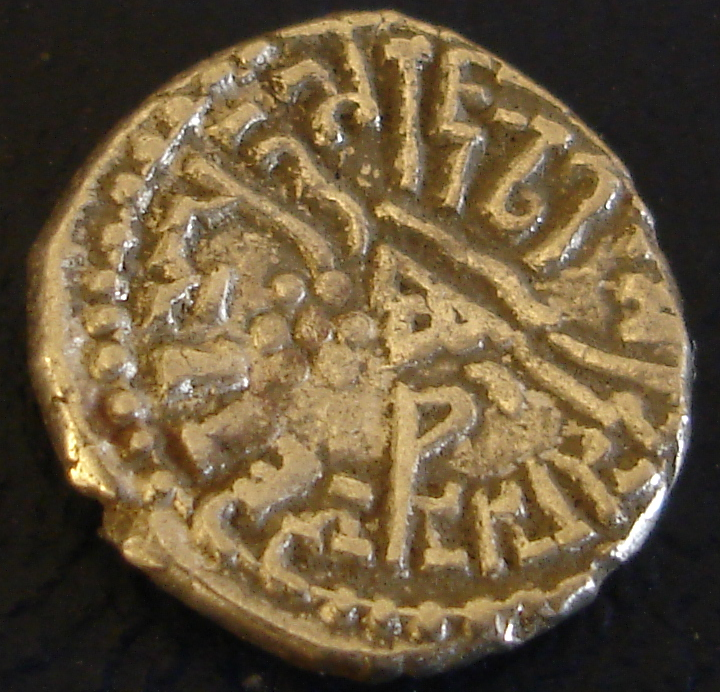
Western Satrap Drachm Reverse
Several Angles of the reverse design
is given in the hopes
that someone can make out the symbolism
and give us a more specific attribution of the coin.
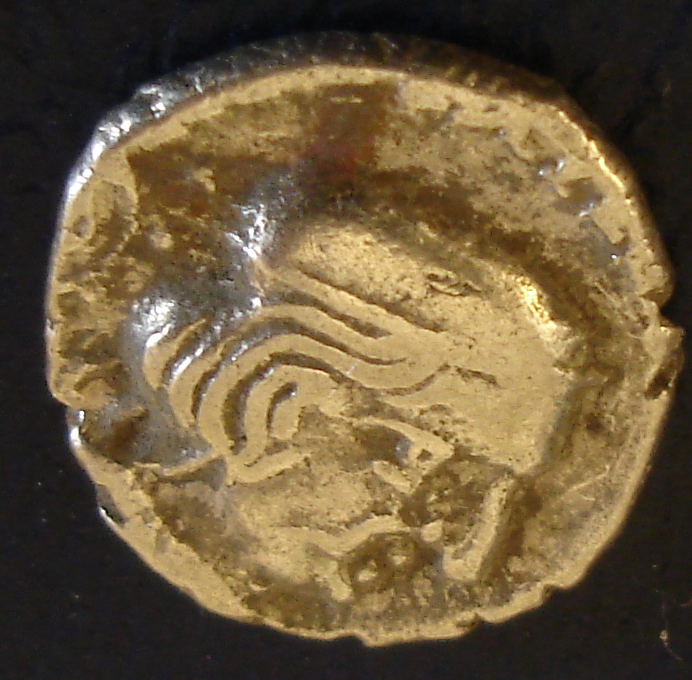
Obverse
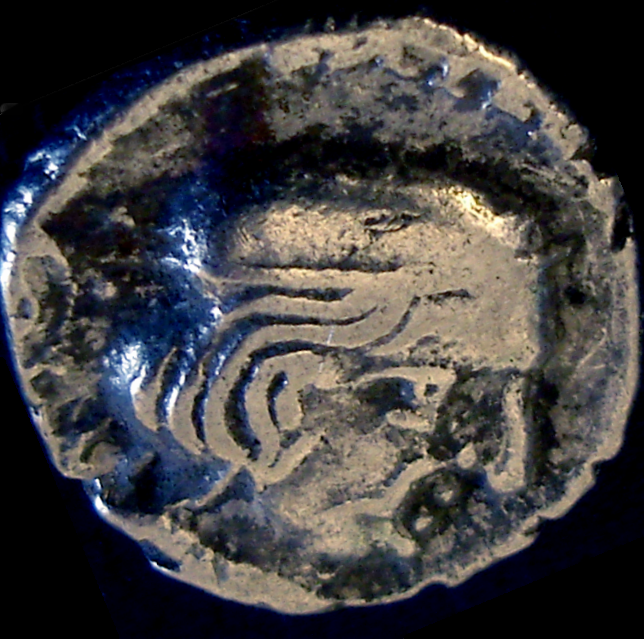
Obverse
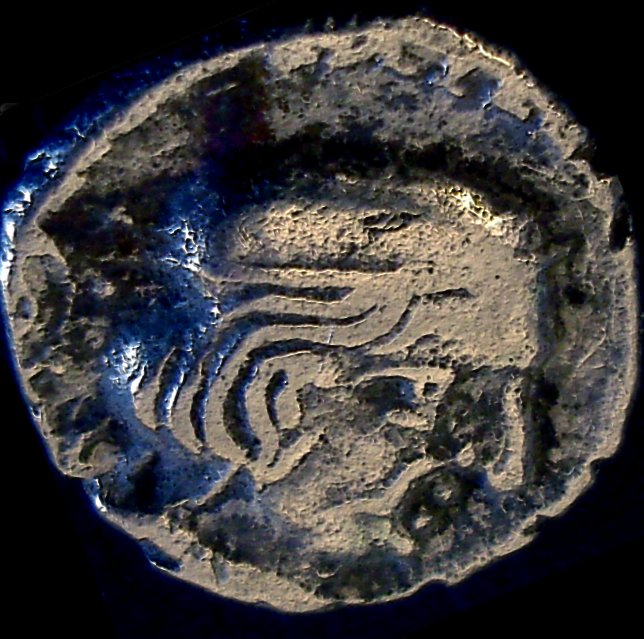
Obverse
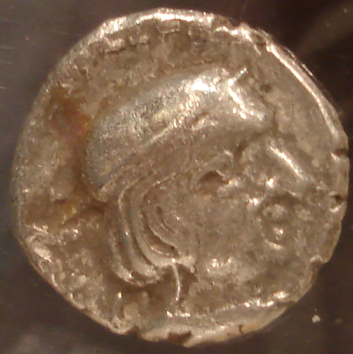
Obverse
Avoid Gijs Henzen, owner of Munthandel G. Henzen - Antisemetic Facists
Munthandel G. Henzen's (MA Shops) owner Gijs Henzen, is an AntiSemetic Fascist
The company, Munthandel G Henzen is a prominent dealer of international and
ancient coins on the internet, commonly known as MA Coins. It is owned by
Gijs Henzen.
He is a passionate anti-Semite who supports Hamas and
the virulent and genocidal Islamic organizations such as the Muslim
Brotherhood, and Hezbollah that wants Jews dead.
He perpetrates lies and classical antisemitic troupes. He has Jewish blood on his hands.
Henzen identifies as a "human rights advocate" who views the world through a lens of anti-imperialism. In this framework, he views Israel not as a sovereign nation of a displaced people, but as a "colonial project."
It is a moral imperative to remain clear of him and to do no business with this Nazi.
If you are Jewish, double down on that. The life you save might well be your own.